

The Thrill of Roulette Casinos: History, Strategies, and Fun
Roulette is a classic casino game that has captivated players for centuries, and its popularity continues to soar in the modern gaming landscape. Combining chance and strategy, roulette casinos https://www.keystonebrewery.co.uk/ roulette offers a unique gaming experience for both novices and seasoned gamblers alike. In this article, we will dive deep into the history of roulette, explore different variations of the game, examine strategies for playing, and share tips for enjoying your time at roulette casinos.
History of Roulette
The origins of roulette can be traced back to 17th century France, where it was invented by mathematician Blaise Pascal while he was attempting to create a perpetual motion machine. The word “roulette” itself means “little wheel” in French, aptly describing the gaming device that would eventually become synonymous with casino culture. The modern version of roulette began to take shape when the wheel became more refined and the betting rules were standardized.
By the 18th century, roulette had already gained popularity in Europe, particularly among the aristocracy. The game was introduced to the United States in the early 19th century, leading to the development of American roulette with its distinctive double zero (00), which changes the odds in the house’s favor compared to its European counterpart that contains a single zero (0). The differentiation between these styles of play became a defining feature of roulette in casinos worldwide.
Types of Roulette
Roulette has evolved into several variations, each with its unique set of rules and betting options. The three main types are:
- European Roulette: This version contains 37 pockets—numbers 1 through 36 and a single zero (0). The house edge is approximately 2.7%, making it a popular choice among players seeking better odds.
- American Roulette: Featuring 38 pockets, American roulette includes an additional double zero (00) pocket, increasing the house edge to around 5.26%. Despite its higher house edge, American roulette remains a favorite for many players drawn to the thrill of the game.
- French Roulette: Similar to European roulette, French roulette has a single zero pocket and a house edge of 2.7%. However, it also includes unique rules such as “La Partage” or “En Prison,” which can reduce the house edge further when specific bets are made.
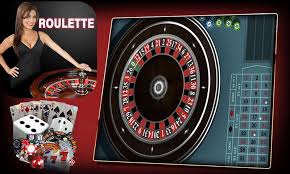
How to Play Roulette
Playing roulette is straightforward, making it an attractive option for new players. The game begins with players placing their bets on the roulette table, which displays the numbers and colors of the wheel. Bets can be placed on specific numbers, groups of numbers, or even the color (red or black) of the winning number. Once all bets are placed, the dealer spins the roulette wheel, and the ball is released onto the wheel. As the ball gradually loses momentum, it eventually lands in one of the pockets, determining the winning number and color.
It’s essential for players to understand the various types of bets available in roulette, which can be broadly categorized into two types: inside and outside bets. Inside bets involve wagering on specific numbers or small groups of numbers, while outside bets encompass broader categories, such as even or odd numbers, red or black, or ranges of numbers. Each type of bet comes with its own payout odds, and understanding these can significantly enhance your playing experience.
Strategies for Winning at Roulette
While roulette is ultimately a game of chance, various strategies can be employed to manage your bankroll effectively and maximize your enjoyment. Here are some popular techniques:
- Martingale Strategy: This betting strategy involves doubling your bet after each loss, with the idea that a win will eventually cover previous losses. While it can be effective, players must be cautious not to exceed table limits or deplete their bankroll too quickly.
- Reverse Martingale (Paroli): The opposite of the Martingale strategy, this approach involves increasing your bets after a win and returning to your original bet after a loss. It aims to take advantage of winning streaks while minimizing losses.
- D’Alembert System: This strategy is based on the idea of slowly adjusting bet sizes. Players increase their bet by one unit after a loss and decrease it by one unit after a win. This method can create a more moderate betting approach compared to the Martingale system.
Tips for an Enjoyable Roulette Experience
While the primary goal of playing roulette is to have fun, there are a few tips to enhance your overall experience:
- Set a budget: Before playing, establish a budget that you are comfortable with and stick to it. This will help you avoid overspending and ensure a more enjoyable experience.
- Take breaks: Roulette can be exhilarating, but it’s essential to take breaks to prevent fatigue or poor decision-making that can arise from prolonged sessions.
- Don’t chase losses: Accept that losing is a part of gambling. Chasing losses can lead to even bigger losses, so it’s best to walk away if you’re on a losing streak.
Conclusion
Roulette casinos have long been a staple of the gaming industry, drawing players in with the excitement and anticipation of where the ball will land. Understanding the history of roulette, the different variations available, and employing effective strategies can greatly enhance your gaming experience. Whether you’re playing at a land-based casino or engaging in online roulette, remember to play responsibly and, most importantly, have fun!