
Yadavindra Gardens
Since the time of Shah Jahan, mughals reserved the pavilions with Balustered columns supporting the cusped arches only for the use of emperor and his immediate family, hence, it was likely built for Aurangzeb's personal use as summer retreat. It was built in the foothills of Himalayas as one of the Mughal gardens summer retreat for the Aurangzeb (r. 1658–1707), who then had his capital at Lahore, by his foster brother and architect Muzaffar Hussain. It is an example of the Mughal gardens architectural style, which was renovated by the Patiala dynasty Sikh rulers. The rest of the garden is laid out with ponds, flowers, trees, and fountains.
- The layout follows the classic Charbagh pattern, featuring a central water channel representing the rivers of paradise.
- He was so enchanted with the beauty of the place that he thought of making a beautiful garden there and this is how the concept of the gardens came into being.
- With its sprawling terraced lawns, cascading fountains, and ornate palaces, Yadavindra Gardens transports visitors to a world of serenity and splendor.
- This festival celebrates the rich cultural heritage of Pinjore and showcases traditional music, dance, crafts, and cuisine.
- The terraces end with the lowermost one caving in the figure of a disc-like structure, adding another layer of awe and wonder to the vast grandeur of the terraces.
Pinjore Mango Fair
- Known for its stunning Mughal-style architecture, lush greenery, and serene atmosphere, the gardens offer a perfect getaway for tourists seeking a peaceful escape from the hustle and bustle of city life.
- For reference, tea costs ₹90 and hot coffee costs ₹120.This pricing feels misleading, especially in a public tourist place where visitors naturally expect fair and transparent rates.
- The lowermost terrace has an open-air theatre, which is designed as a disc-like structure.
- At that time, the Nawab was the Governor of the Province and during one of his tours, he happened to visit the Pinjore valley.
The Maharaja Yadavindra Singh (1914–74) of the princely state of Patiala restored the garden to its former splendour. Part of the walled outer enclosure of the abandoned garden was demolished in 1793 to build a road. For the poor coolie women, well instructed beforehand, had told how the air and water of Pinjor caused this disease, which no one who lived there long ever escaped. It was built during the early days of Aurangzeb's rule but the accurate date is not known. Yadavindra Gardens, also known as Pinjore Gardens, is a historic 17th century garden located in Pinjore city of Panchkula district in the Indian state of Haryana.

Can I do photography or pre-wedding shoots at Pinjore Garden?
Water plays a central role in the design of Pinjore Garden, with numerous fountains and water channels enhancing its aesthetic appeal. The first terrace, which serves as the main entrance, sets the tone with its grand gateway and Mughal-style pavilions. The garden is spread across seven descending terraces, each offering a unique view and experience. The Charbagh design divides the garden into four quadrants with walkways and water channels intersecting at the center, creating a harmonious and balanced landscape. The garden is laid out in the traditional Charbagh (four-part) style, which is symbolic of the Islamic concept of paradise.
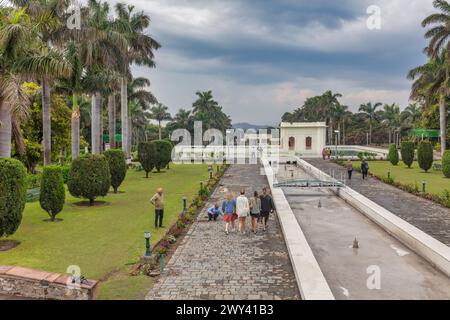
Sprawling across a vast expanse of terraced slopes, Pinjore Garden Chandigarh offers a harmonious blend of meticulously manicured landscapes and impressive architectural elements. Just a short drive from Chandigarh lies a place where time slows down, and nature takes center stage. Additionally, the garden serves as an educational resource, providing insights into Mughal architecture, horticulture, and history for students and researchers. The garden’s well-preserved architecture and design serve as a testament to the artistic and engineering prowess of the Mughal era.

I was a teenager then and was taken to visit the sprawling Pinjore Gardens in Panchkula district of Haryana. Organized after a collaboration with the Horticulture Department, the festival seeks to commemorate the efforts of the above department in the lives of the citizens residing in the nearby areas. In the Pinjore Garden Chandigarh, festivals take place in the area annually, with celebrations occurring on the days of the Pinjore Baisakhi Festival and Pinjore Mango Mela, which take place during June and July, adding to the increasing number of attractions in the place. The terraces end with the lowermost one caving in the figure of a disc-like structure, adding another layer of awe and wonder to the vast grandeur of the terraces. The next terrace is known for its beautiful surroundings since it contains a fountain bed along with a platform where we can yadavindra gardens relax and admire the view.