
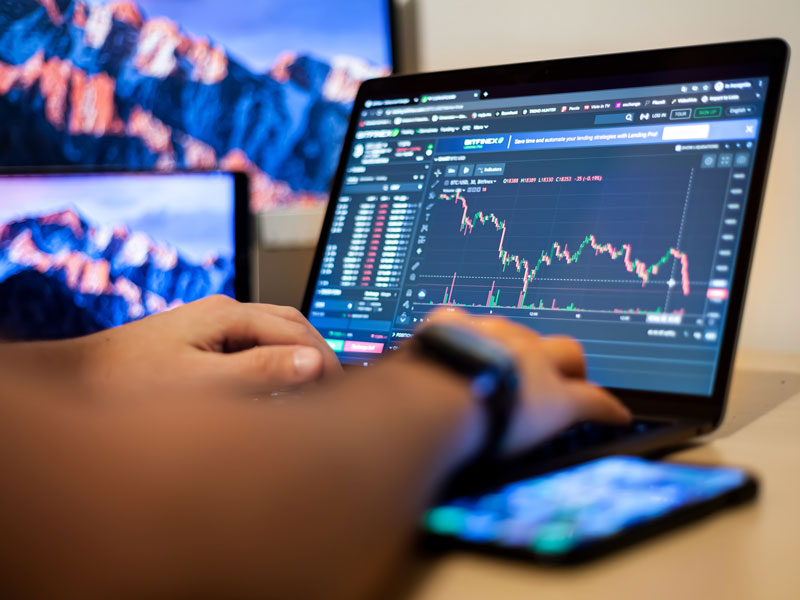
Maximizing Your Trading Success with Forex Trading Signals
In the world of forex trading, the quest for reliable and accurate information is paramount for success. One effective tool that has gained significant popularity among traders is forex trading signals. These signals provide valuable insights into market trends, assisting traders in making informed decisions. For those looking to get started or improve their strategies, understanding forex trading signals, their types, how to use them, and the best sources for these signals can be a game-changer. Explore how to elevate your trading game with expert guidance and resources from forex trading signals Best South African Brokers.
What Are Forex Trading Signals?
Forex trading signals are actionable insights or recommendations that indicate when to buy or sell currency pairs. These signals are typically generated based on technical analysis, fundamental analysis, or a combination of both. Traders often rely on these signals to capture profitable trading opportunities in the dynamic forex market.
Types of Forex Trading Signals
There are several types of forex trading signals that traders can leverage to enhance their trading strategies:

- Technical Signals: These signals are derived from various technical indicators and chart patterns. They focus on price movements and patterns, identifying potential reversals or continuations in the market.
- Fundamental Signals: These are based on economic news, geopolitical events, and fundamental data releases. Traders pay close attention to economic indicators such as GDP, employment reports, and interest rate changes.
- Sentiment Signals: These indicators gauge the overall market sentiment, indicating whether traders are bullish or bearish on a particular currency pair. This can be useful for understanding market psychology.
- Automated Signals: Many traders utilize automated trading systems or expert advisors (EAs) that generate signals based on predefined criteria. These systems can analyze vast amounts of data rapidly, providing timely recommendations.
How to Use Forex Trading Signals
Using forex trading signals effectively involves several key steps:
- Choose a Reliable Source: Select a trusted provider of forex signals. Look for reputable analysis companies or experienced traders who have a proven track record.
- Understand the Signal: Analyze the context of the signal. Understand the rationale behind the recommendation, including the risk-to-reward ratio, entry and exit points, and any relevant market conditions.
- Integrate with Your Strategy: Ensure that the signals align with your overall trading strategy. Signals should complement your existing knowledge and goals rather than dictate your decisions entirely.
- Manage Risk: Always implement risk management strategies. Never risk more than you can afford to lose on a single trade. Use stop-loss orders to protect your capital.
- Review and Adjust: Continuously monitor your results and adjust your approach as needed. Not every signal will lead to success, and it’s important to learn from each trade.
Finding the Best Forex Trading Signals
Finding the best forex trading signals involves careful consideration of several factors:
- Track Record: Research the performance history of the signal provider. Look for transparency in their past results and evidence of consistent performance.
- User Reviews: Read reviews and testimonials from other traders who have used the service. This can provide valuable insights into the reliability and effectiveness of the signals.
- Cost and Accessibility: Evaluate the pricing structure of the signal service. Some providers offer free signals, while others charge a subscription fee. Consider whether the cost aligns with the value provided.
- Support and Resources: A good signal provider should offer additional resources, such as educational materials, webinars, and customer support, to help traders make the most of the signals.

Advantages of Using Forex Trading Signals
The use of forex trading signals can provide several advantages to traders:
- Time-Saving: Signals save time by providing quick insights without the need for extensive analysis. Traders can focus on executing trades instead of spending hours analyzing charts.
- Increased Accuracy: Many traders find that leveraging signals increases their trading accuracy, as they are based on sound analysis and market research.
- Improved Decision-Making: Signals provide a clear framework for decision-making, reducing the emotional aspect of trading and helping traders stick to their planned strategies.
- Access to Expert Analysis: By utilizing forex signals, traders gain access to insights from experienced analysts and traders, allowing them to benefit from their expertise.
Challenges and Considerations
Despite the advantages, traders should be aware of the potential challenges when using forex trading signals:
- Reliability: Not all signal providers are created equal. It’s crucial to conduct thorough research to avoid scams or misleading information.
- Market Volatility: The forex market can be highly volatile, and signals may become irrelevant quickly during fast-moving market conditions. Always be prepared to adapt.
- Over-Reliance: While signals can be beneficial, relying solely on them without understanding the underlying market dynamics can lead to poor trading outcomes.
Conclusion
Forex trading signals can be a valuable resource for both novice and experienced traders. By understanding the various types of signals, how to use them effectively, and selecting a reliable source, traders can enhance their decision-making process and increase their potential for profit. However, it’s essential to combine signals with personal analysis and risk management practices to achieve long-term success in forex trading. Whether you’re looking for opportunities in volatile markets or gradual trends, the right set of signals can lead you along the path to financial success. Always stay informed, be cautious, and keep learning to navigate the ever-changing landscape of forex trading.